Showing posts with label broccoli. Show all posts

03 December 2008

Organic or not Organic -- That is the Question


Fairly frequently articles come up outlining how important it is to buy certain foods organic while other foods are less dangerous in their "traditional" form. Find a list you trust, memorize a few key foods that you often buy, and get shopping!

Here's the information from one such article:

Should Buy Organic
-Milk
-Meats
FRUITS:
-Peaches
-Apples
-Nectarines
-Strawberries
-Cherries
-Grapes
-Pears
-Raspberries
-Plums
-Oranges
-Tangerine
-Cantaloupe
-Lemon
-Honeydew
-Grapefruit
-Watermelon
-Blueberries
VEGETABLES:
-Sweet Bell Peppers
-Celery
-Lettuce
-Spinach
-Potatoes
-Carrots
-Green Beans
-Hot Peppers
-Cucumbers
-Cauliflower
-Mushrooms
-Winter Squash
-Tomatoes
-Sweet Potatoes

Don't Have to Buy Organic
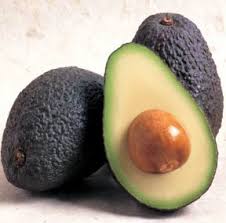
-Avocado
-Banana
-Pineapple
-Kiwi
-Mango
-Papaya
-Asparagus
-Broccoli
-Cabbage
-Onions

Image from http://tbn2.google.com/images?q=tbn:RIA2pRwDp4HIpM:http://whatscookingamerica.net/Fruit/AvocadoPhoto.jpg

03 August 2008

Indoor Gardening update


Indoor growing can be kind of tricky.

First, pests. We had some problems with gnats, but we solved those by getting some poison- and chemical-free sticky traps from Lowes. Mealy bugs were more of a pain in the butt. Blasted things didn't attack any of our vegetable plants, but they loved an indoor ivy plant. Showering them a couple of times with Orange Guard seemed to do the trick though. Still kinda grossed me out.

A second issue is making things grow. Luckily, the broccoli seems to be thriving just fine in our West window and especially in the South-facing ones. Lettuce didn't make it. And zucchini, while it lasted longer than the lettuce indoors, finally decided it wasn't getting enough light.

Our third major issue surrounded remembering to water. It's currently the rainy season here in Florida, so we rarely have to water our outdoor vegetables. However, that gets Ben, the family water-er, out of the habit of watering regularly.

Assuming you can remember to water your plants, how should you go about doing so?

The best way to water indoor plants is to begin by soaking the soil thoroughly. You want water to come back out of the hole in the bottom of the pot. Make sure you pour this water away instead of onto another plant, as it is laden with the excess salts your plant is trying to get rid of. Also, do not let this excess water just sit in the pot plate, as this could lead to wet roots and root rot.

Right after you soak your soil, pick up your pot and feel how heavy it is. You don't want to water again until the weight is down to about half of what it is fully saturated. This will probably be two or three days later. But check your pots daily because some indoor plants dry out quickly due to their small pots and need to be watered rather frequently. Each subsequent time you water, you want to repeat this saturation-then-wait process.

Image from http://www.orangeguard.com/webart/spraybottle.jpg

14 July 2008

Garden update


Here's an updated picture of my garden.

I've finally pulled out all the broccoli and lettuce plants which I was growing out and season (and, thus, were not edible).

Between crops (after you've pulled up one crop and before you plant one for the next season), give the soil a week or two off. If you've compacted your bed by walking on it or otherwise putting weight on it, use this time to cultivate the soil by stirring it up a bit. This allows the all-so-essential oxygen to get into the spaces between the soil particles again.

Also, always, always, always add some sort of fertilizer to the soil between crops. The vegetables you've been eating contain a lot of the nutrients that were previously in the soil. You can't continually take from the soil without giving back, or else you will end up with poor soil quite quickly. The best fertilizer you can add is fresh compost (that you're making yourself now, right?)

After loosening your soil and adding some fertilizer, you're ready to plant next season's edibles!

Conversely, if you are not going to plant another crop for a few months, consider using a "green manure." Green manures are basically cover crops, like clovers or vetches, that give you two advantages. First, they block weeds from growing, which helps to keep your bed in great shape between crops. Second, green manure is a type of fertilizer. You simply turn it under before it flowers and it adds all its rich nutrients back into the soil.

07 July 2008

Indoor Gardening

If you would like to do some indoor gardening (in the northern hemisphere), here are some tips:

-Place your plants in South- or West-facing windows if possible. The light you get at these windows is generally good enough to grow just about anything.
-East-facing windows typically get enough light to grow "shade tolerant" plants. These are mostly root vegetables (like carrots, potatoes, radishes, etc.) or leaf vegetables (lettuce, broccoli, etc.) What won't grow well there are fruiting vegetables like squash, peppers, or eggplant.
-North-facing windows generally do not get enough light per day to successfully grow food crops.

If you don't have any South- or West-facing windows that would be good candidates for a few pots of growing plants, you can always consider using fluorescent lighting as an alternative. Not as hard as it sounds either!

06 July 2008

Growing seasons in the South

Growing seasons in Central Florida are honestly a little crazy. The average last spring frost is on January 30th, and the average first fall frost is Dec. 20. That means that planting recommendations for season extension can run right into each other. For example, if you can plant broccoli 6 weeks before the last spring frost, that runs you right up to BEFORE the first fall frost.

Not that I'm complaining. We have one of the shortest frost danger seasons in the nation (except for South Florida, for which the books literally read "no frost" instead of a date)! For some parts of the country, the last spring frost date is in May or June. What a short growing season that is!

Why, then, do we Southerners need to pay any attention to season-extension recommendations? While we have a super-long season, the majority of it is too hot to grow "cool season" vegetables. Let's take broccoli again as an example. If we wait until spring to plant it, the weather will heat up to temperatures outside of broccoli's growing range far before it's ready to harvest. If it's too hot for broccoli, the plant will never form a "head," which is a problem since that's the part we eat. Similarly, if the weather is too warm for lettuce, it will get really bitter (we can testify to that!) and will produce flowers and seeds instead of edible leaves.

Don't let your long growing season go to your head! You, too, need to look into season extension methods and be on the ball if you want to grow any true "spring" (cool weather) crops.

Note: Readers may be interested in skimming back through earlier posts, as I've recently added links (especially notable for the composting post) and pictures.

Book used for above research: The Backyard Vegetable Factory (Duane Newcomb)

01 July 2008

No garden? No problem!

Not everyone in suburbia has the good fortune of having some land to grow on. Whether you live in a condo, townhouse, or apartment, you too can grow some of your own food and reduce your carbon footprint!

Our master bathroom features a nice corner bathtub that we would never, ever use. We're just not "bath" people. So we decided to put it to some use and turn it into a mini container garden.

Currently we have squash, broccoli, lettuce, and pet grass growing there. The squash especially looks great. We are trying the broccoli and lettuce in the tub because it's out of season to grow in the garden. Note, of course, that we're reusing like crazy too. Although I did buy four new pots, I also reused three from plants I bought months ago at a nursery. We are using an overturned laundry basket to add some height to our indoor "garden" and make watering easier. Also, instead of purchasing official plant water collectors, we brought out my husband's old plastic dishes, "borrowed" from the college cafeteria and never quite returned.

You don't need an outdoor garden to enjoy a harvest, especially in the sunny South. You just need a couple of small bare spots in front of a window somewhere!

26 June 2008

First Attempts

This is our first year as home-owners and, thus, our first year as gardeners. We started planting (both flowers and vegetables) in February, during the "decent" season here in Florida, when people can really enjoy being outside and working in the yard.

With the best of intentions, but with no more knowledge than that found on the back of the seed packets, we got started. We pulled up lots of grass and created many, many square feet of gardening beds, both in our front yard and out back.

I planted mostly wild flowers in the front, which mostly worked well. The sunniest areas still look a little sparse, as many of the plants refused to grow in such a infernal place, but the shade spots are full of lovely plants. The exceptions to this overall growth are the poppies and Shasta daisies I planted under a baby magnolia tree.

In our backyard garden, we planted vegetables: broccoli, zucchini, lettuce, carrots, and onion. Wouldn't you know that broccoli and lettuce are both seriously cool weather crops! When broccoli is grown in hot weather, it will never form a head, let alone florets. Lettuce, when grown out of its season, will bolt (go to seed) early and taste bitter. So, fail.

Our onions and carrots fared decently. The problem with these crops is that I couldn't bring myself to thin them out after they sprouted. So, we have harvestable onions now, but they are dime sized. We can only hope the carrots will be big enough to be edible when they come of age.

Finally, the zucchini. Such a sad story. The zucchini would have been fine...if it had not been for the April/May drought. We were less than intelligent about watering our poor garden when it needed it the most. In fact, the zucchini plants produced beautiful flowers. However, they didn't have the resources they needed to produce any fruit. These are also the only plants in our garden that we are pulling up and composting in order to start some squash anew (and more intelligently!)

So, these were our first attempts. Since then, I have done a lot of research and reading. Now we are prepared to begin again and hopefully create a much more productive garden.