Every year the Environmental Working Group (EWG) analyzes around 50 "conventionally grown" (ie, pesticide-ridden) fruits and vegetables to see which are the safest and which are the most dangerous.
This year's list just came out. This year's "dirty dozen," the 12 worst in terms of pesticides, are (from the highest pesticide levels to lower ones): peach, apple, sweet bell pepper, celery, nectarine, strawberry, cherry, kale, lettuce, imported grapes, carrot, and pear.
The EWG produces a wallet sized print out of these dirty dozen (as well as the "clean fifteen," the least pesticide-ridden of the 47 analyzed fruits and vegetables this year) that you can bring with you when you go shopping. That might be a good idea, actually, until you have these more or less memorized. The point is, you should try to always buy the "dirty dozen" organically grown!
Of course, a dozen is an arbitrary cut-off point. Not that much difference between twelveth and thirteenth places, after all. Check out the whole list here.
Showing posts with label carrot. Show all posts
Showing posts with label carrot. Show all posts
13 March 2009

03 December 2008
Organic or not Organic -- That is the Question
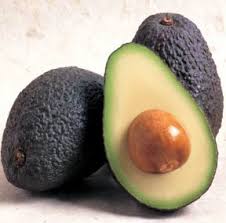
Fairly frequently articles come up outlining how important it is to buy certain foods organic while other foods are less dangerous in their "traditional" form. Find a list you trust, memorize a few key foods that you often buy, and get shopping!
Here's the information from one such article:
Should Buy Organic
-Milk
-Meats
FRUITS:
-Peaches
-Apples
-Nectarines
-Strawberries
-Cherries
-Grapes
-Pears
-Raspberries
-Plums
-Oranges
-Tangerine
-Cantaloupe
-Lemon
-Honeydew
-Grapefruit
-Watermelon
-Blueberries
VEGETABLES:
-Sweet Bell Peppers
-Celery
-Lettuce
-Spinach
-Potatoes
-Carrots
-Green Beans
-Hot Peppers
-Cucumbers
-Cauliflower
-Mushrooms
-Winter Squash
-Tomatoes
-Sweet Potatoes
Don't Have to Buy Organic
-Avocado
-Banana
-Pineapple
-Kiwi
-Mango
-Papaya
-Asparagus
-Broccoli
-Cabbage
-Onions
Image from http://tbn2.google.com/images?q=tbn:RIA2pRwDp4HIpM:http://whatscookingamerica.net/Fruit/AvocadoPhoto.jpg
14 July 2008
Our first edibles!

I pulled up some carrots from our garden this weekend. Although they were only bite-sized, they were edible nonetheless!
Not without a teachable moment though. This lesson is called "this is why you thin your seedlings." [Cue the one-armed man.]
The old-school style of planting involves scattering seeds in little groups of five or more, using an entire packet of seeds every season. Then, when the seedlings break the soil, you have to pull up most of them to allow space for the others to grow.
More recently (well, as of the 1970s), small scale home gardeners have figured out that you could save a lot of time (and quite a lot of seed) if you plant just one seed deliberately per spot. And you can go ahead and space out the seeds to the ideal growing spacing from the get-go. If you don't trust your seeds, you can always plant two seeds per spot and reduce it to one seedling after they've sprouted. Even using two seeds per spot, you save many, many seeds and lots of time in thinning.
[Why do you want extra seeds? You can keep them in the refrigerator for quite a while. Many years for some types.]

Of course, now we know enough to plant our seeds (even the tiny carrot seeds), one-by-one, so we don't have to thin seedlings or deal with overcrowded plants. But, hey, even our tiny carrots were extremely gratifying and kind of yummy.
07 July 2008
Indoor Gardening
If you would like to do some indoor gardening (in the northern hemisphere), here are some tips:
-Place your plants in South- or West-facing windows if possible. The light you get at these windows is generally good enough to grow just about anything.
-East-facing windows typically get enough light to grow "shade tolerant" plants. These are mostly root vegetables (like carrots, potatoes, radishes, etc.) or leaf vegetables (lettuce, broccoli, etc.) What won't grow well there are fruiting vegetables like squash, peppers, or eggplant.
-North-facing windows generally do not get enough light per day to successfully grow food crops.
If you don't have any South- or West-facing windows that would be good candidates for a few pots of growing plants, you can always consider using fluorescent lighting as an alternative. Not as hard as it sounds either!
26 June 2008
First Attempts
This is our first year as home-owners and, thus, our first year as gardeners. We started planting (both flowers and vegetables) in February, during the "decent" season here in Florida, when people can really enjoy being outside and working in the yard.
With the best of intentions, but with no more knowledge than that found on the back of the seed packets, we got started. We pulled up lots of grass and created many, many square feet of gardening beds, both in our front yard and out back.
I planted mostly wild flowers in the front, which mostly worked well. The sunniest areas still look a little sparse, as many of the plants refused to grow in such a infernal place, but the shade spots are full of lovely plants. The exceptions to this overall growth are the poppies and Shasta daisies I planted under a baby magnolia tree.
In our backyard garden, we planted vegetables: broccoli, zucchini, lettuce, carrots, and onion. Wouldn't you know that broccoli and lettuce are both seriously cool weather crops! When broccoli is grown in hot weather, it will never form a head, let alone florets. Lettuce, when grown out of its season, will bolt (go to seed) early and taste bitter. So, fail.
Our onions and carrots fared decently. The problem with these crops is that I couldn't bring myself to thin them out after they sprouted. So, we have harvestable onions now, but they are dime sized. We can only hope the carrots will be big enough to be edible when they come of age.
Finally, the zucchini. Such a sad story. The zucchini would have been fine...if it had not been for the April/May drought. We were less than intelligent about watering our poor garden when it needed it the most. In fact, the zucchini plants produced beautiful flowers. However, they didn't have the resources they needed to produce any fruit. These are also the only plants in our garden that we are pulling up and composting in order to start some squash anew (and more intelligently!)
So, these were our first attempts. Since then, I have done a lot of research and reading. Now we are prepared to begin again and hopefully create a much more productive garden.

Subscribe to:
Posts (Atom)

 Posts


