Thanksgiving is coming up very soon. Many of you will probably be enjoying large meals with family and friends. This year, try to make your celebration just a little more sustainable.
1. Organics, organics, organics. Try to substitute organic versions of the ingredients needed for your Thanksgiving favorites. Organic turkeys, organic baking potatoes, organic chicken broth for your gravy, organic butter for your corn, organic flour for your biscuits. Even making the effort to seek out just one or two organic ingredients DOES make a difference.
2. Portion control. This is especially important when dealing with meat ingredients. Have a taste of turkey if you like, but save most of your appetite for the fruits and vegetables bountifully harvested this time of year. In general, try not to cook more than people will eat. If you do have excess leftovers, compost them -- don't throw them away!
3. Plates and glasses and silverware, oh my! No matter how large your crowd, it's always a good idea to use real, non-disposable plates, glasses, and silverware. Don't have enough plates to go around? Ask your sister or cousin or uncle to bring extras. I'm sure they'll be glad to pitch in!
Showing posts with label organic. Show all posts
Showing posts with label organic. Show all posts
17 November 2009

08 November 2009
Organic vs. Local
The local vs. organic debate is a tricky one. The best answer, of course, would be "both"! (Even better if "local" means "grown in your back yard.") But often "neither" is the only option we have.
Assuming you have to make the choice, however, go with organic over local. Why? The environmental impacts are much larger.
A recent Chicago Tribune article reports, "Christopher Weber and H. Scott Matthews, professors at Carnegie Mellon University, say transportation accounts for only 11 percent of total greenhouse-gas emissions associated with food, while 83 percent is related to production." Yikes. In other words, try to go with food that is organic and in-season wherever it's being grown.
Another striking tidbit from that article: "If you want to reduce the carbon footprint of your diet, cut back on consumption of red meat, which Weber and Matthews say is responsible for producing 150 percent more greenhouse gases than chicken or fish."
Assuming you have to make the choice, however, go with organic over local. Why? The environmental impacts are much larger.
A recent Chicago Tribune article reports, "Christopher Weber and H. Scott Matthews, professors at Carnegie Mellon University, say transportation accounts for only 11 percent of total greenhouse-gas emissions associated with food, while 83 percent is related to production." Yikes. In other words, try to go with food that is organic and in-season wherever it's being grown.
Another striking tidbit from that article: "If you want to reduce the carbon footprint of your diet, cut back on consumption of red meat, which Weber and Matthews say is responsible for producing 150 percent more greenhouse gases than chicken or fish."
07 June 2009
Easy Baby Food
Does someone at your house eat baby food? Consider making your own! Making your own baby food has multiple benefits:
1. You know the source of your child's food. Food-born illness epidemics (E. Coli in Spinach, salmonella in peanut butter, etc.) are most often spread through food that has been subjected to multiple handling, processing, and packaging steps.
2. Easier access to wide varieties of vegetarian, vegan, and/or organic foods for your child.
3. Cheaper than buying the individual, tiny containers.
4. Less packaging waste. Even recycling the glass containers uses energy that isn't required when you make your own.
How easy is it to make your own baby food? Really easy! A blender, food processor, or kitchen food mill can easily make baby food at home. But small, portable food mills that you can stick in your kid's diaper bag abound too! For an example, check out the Wean Machine. You can even find light and portable food mills at stores like Whole Foods.
1. You know the source of your child's food. Food-born illness epidemics (E. Coli in Spinach, salmonella in peanut butter, etc.) are most often spread through food that has been subjected to multiple handling, processing, and packaging steps.
2. Easier access to wide varieties of vegetarian, vegan, and/or organic foods for your child.
3. Cheaper than buying the individual, tiny containers.
4. Less packaging waste. Even recycling the glass containers uses energy that isn't required when you make your own.
How easy is it to make your own baby food? Really easy! A blender, food processor, or kitchen food mill can easily make baby food at home. But small, portable food mills that you can stick in your kid's diaper bag abound too! For an example, check out the Wean Machine. You can even find light and portable food mills at stores like Whole Foods.
07 April 2009
More big brands go organic
Sometimes it seems as though the news keeps getting bleaker on climate change.
And as we make progress toward sustainability in our own lives, the way many people (especially, it seems, some in the baby boomer generation, who grew up in post-WWII prosperity and feel entitled to the resource-intensive lifestyle they've known all their lives) blatantly ignore the planetary consequences of their actions begin to seem actively hateful.
Steadily, however, some "familiar faces," so to speak, are making small steps in the right direction. Huge corporate retailers like Target, Nike, the Gap, Banana Republic, and Victoria's Secret are beginning to bring organic clothing to the masses.
It's a tiny step, but perhaps some of the people who are hesitant to make any changes toward sustainability in their lifestyles will choose the better options if they are made convenient enough. Perhaps people will be more likely to make changes in at least their buying habits with the support of the brands and corporations with which they feel most comfortable.
To read about some of the stores introducing some sustainable items, check out Tree Hugger's article.
And as we make progress toward sustainability in our own lives, the way many people (especially, it seems, some in the baby boomer generation, who grew up in post-WWII prosperity and feel entitled to the resource-intensive lifestyle they've known all their lives) blatantly ignore the planetary consequences of their actions begin to seem actively hateful.
Steadily, however, some "familiar faces," so to speak, are making small steps in the right direction. Huge corporate retailers like Target, Nike, the Gap, Banana Republic, and Victoria's Secret are beginning to bring organic clothing to the masses.
It's a tiny step, but perhaps some of the people who are hesitant to make any changes toward sustainability in their lifestyles will choose the better options if they are made convenient enough. Perhaps people will be more likely to make changes in at least their buying habits with the support of the brands and corporations with which they feel most comfortable.
To read about some of the stores introducing some sustainable items, check out Tree Hugger's article.
13 March 2009
Dirty Dozen
Every year the Environmental Working Group (EWG) analyzes around 50 "conventionally grown" (ie, pesticide-ridden) fruits and vegetables to see which are the safest and which are the most dangerous.
This year's list just came out. This year's "dirty dozen," the 12 worst in terms of pesticides, are (from the highest pesticide levels to lower ones): peach, apple, sweet bell pepper, celery, nectarine, strawberry, cherry, kale, lettuce, imported grapes, carrot, and pear.
The EWG produces a wallet sized print out of these dirty dozen (as well as the "clean fifteen," the least pesticide-ridden of the 47 analyzed fruits and vegetables this year) that you can bring with you when you go shopping. That might be a good idea, actually, until you have these more or less memorized. The point is, you should try to always buy the "dirty dozen" organically grown!
Of course, a dozen is an arbitrary cut-off point. Not that much difference between twelveth and thirteenth places, after all. Check out the whole list here.
This year's list just came out. This year's "dirty dozen," the 12 worst in terms of pesticides, are (from the highest pesticide levels to lower ones): peach, apple, sweet bell pepper, celery, nectarine, strawberry, cherry, kale, lettuce, imported grapes, carrot, and pear.
The EWG produces a wallet sized print out of these dirty dozen (as well as the "clean fifteen," the least pesticide-ridden of the 47 analyzed fruits and vegetables this year) that you can bring with you when you go shopping. That might be a good idea, actually, until you have these more or less memorized. The point is, you should try to always buy the "dirty dozen" organically grown!
Of course, a dozen is an arbitrary cut-off point. Not that much difference between twelveth and thirteenth places, after all. Check out the whole list here.
08 February 2009
Feeding Baby

We've all heard about the myriad of benefits of eating organic foods. But even if you've not committed to eating organic yourself, you should seriously consider it for your infants and children. We all want our children to get the best start in life possible. And feeding them wholesome foods grown without chemicals and pesticides is one important way to do that.
Luckily, organic baby food is getting easier and easier to find. Gerber even makes a line of organic baby foods, which Wal-Mart carries, for goodness sake. This article is about six other good options for organic baby foods.
One great option, of course, is making your own baby food. You can use your normal kitchen blender or food processor to make it, or your can buy a hand-cranked grinder for less than $20, which makes preparing baby food on the go fast and easy. You can freeze it in ice cube trays for later, or just make as much as you need for one meal. And because you're not left with mounds of plastic or glass jars, it's a cheap, waste-free way to feed baby!
Image from http://ecx.images-amazon.com/images/I/21YQYAS0EWL._SL500_AA250_.jpg
02 February 2009
Resolutions?
Remember your green new year's resolutions? How are they going? Let me know if I can help!
If you've forgotten yours, or never got around to making one, read over this list from Ecofabulous. Of course, these lists are useful outside of just resolutions though. They help us analyze where we are in our sustainability journey and focus on how to go forward.
Eco Resolutions and Solutions
If you've forgotten yours, or never got around to making one, read over this list from Ecofabulous. Of course, these lists are useful outside of just resolutions though. They help us analyze where we are in our sustainability journey and focus on how to go forward.
Eco Resolutions and Solutions
1. I will stop using plastic bottles and vow to carry my reusable bottle of choice at all times. The NRDC conducted 1,000 separate tests of over 100 bottled water brands and found that the bottled water was not cleaner, purer, or safer than tap water. There have been reports on certain companies simply bottling tap water. So kick the bad bottle habit once and for all. Sigg or Klean Kanteen are great, and lately we’re really loving Earthlust’s custom designs. As an added bonus you can wrap this resolution into the annual “I will save more” declaration and make a jar where each day you put the money you would have spent on bottled water – you’ll be surprised at how it adds up. In 2006, Americans bought 2.6 billion cases of bottled water, totaling $15 billion – a year of plastic bottle money and you may be able to treat yourself to an eco-vacation.
2. I resolve to make at least two small changes in order to use less energy. This year, while you may not be able to install solar panels on your roof, you can make small changes to your energy usage habits that will have a big impact. First, as inefficient incandescent light bulbs burn out, replace them with compact fluorescent bulbs – they last much longer (8-10 times longer) and save money by reducing energy use (typically by 65 to 80 percent). And second, get ride of that haunting phantom load – the electricity wasted when electronics are plugged in but either aren’t on, or aren’t in use (this goes for that fully charged computer or cell phone that’s left plugged in as well). The U.S. Department of Energy estimates that American households use about 43 kWh of electricity each year to power electronics and appliances that are turned off. Plug all your electronics into a power strip and turn it off when the items are not in use – if every American eliminated their phantom load, it would save about $6 billion in electricity costs.
3. Waste: The light green resolution – I will recycle. If you want to take your green routine a shade deeper, then make 2009 the year you start to compost. Really, 2009 holds no excuses for not recycling. Cities and towns are making it easier and easier since most have curbside pick-up. If you are ever in question about whether an item can be recycled, or how to recycle it, check out earth911.com. Encourage your workplace to switch to recycled paper products wherever possible. Since 4 million tons of copy paper are used in the U.S. each year, buying paper with 100 percent recycled fibers uses less energy and water in production and will significantly reduce the number of trees cut down. As for the eco-devotees that are ready for the next step, start to compost your kitchen scraps. According to the EPA, 24 percent of the waste Americans send to landfills is organic waste. We love the Can-O-Worms in-house compost bin. It’s a great way to start reducing your landfill contributions by almost a quarter!
4. If I can schedule in time for the gym and happy hour drinks with friends, I can schedule in the extra time needed to walk or bike to work. Give the road rage a rest and try committing to an alternative form of transportation once a week. Ideally, the carbon-free route is best (with a little added endorphin boost for the traditional “exercise more” resolution) but taking the bus or train will still help to minimize your carbon footprint – according to the American Public Transportation Association, using public transportation saves 1.4 billion gallons of gasoline each year.
5. I will resolve to consider where my food comes from and how it is farmed. Ideally, supporting seasonal, local agriculture from organic, sustainably managed farms is best. This doesn’t have to mean a weekly trip to the farmer’s market – you can sign up for a CSA or simply make a conscious choice at the grocery store when looking at that apple from New Zealand. As you are committing to cut back on your carbon-emitting transportation, try to cut back on your food’s footprint as well. Where it is coming from and the amount of toxic pesticides used are both contributing factors to how much waste and carbon emissions are generated – one study by the Rodale Institute found that organic farming reduces carbon dioxide by using 37 percent fewer fossil fuels than conventional farming.
20 January 2009
Breastfeeding Cover-Ups

I am 100% in favor of free and open breastfeeding in public and private places. How insulting is it that society has co-opted women's breasts as sexual objects instead of the shame-free mammary glands that they really are.
However, not all communities are comfortable with women's lifecycles as natural and normal. And sometimes, it's just plain cold! So, if you have a new baby you're breastfeeding and don't feel comfortable breast feeding openly in public (or it's winter!), consider a cover-up. Using a cover-up in a public place is a great "in between" step to help move society in the direction of feeling comfortable with breastfeeding as natural.
The one pictured here is from "The Undercover Baby." They offer cute and stylish designs in organic cotton. Check them out if you are or will soon be a breastfeeding mother or know someone who is!
PLUS: Through Jan. 31st, they're all 20% off!
Image from http://www.theundercoverbaby.com/assets/images/homepic2.jpg
02 January 2009
More green resolutions
Still haven't found the right new year's resolutions for you this year? Skim through this article from Low Impact Living. They've divided their list into two categories: light green "aspiring Jedi" (beginning steps) and green Jedi (slightly more challenging ones, to aim for after completing the light green ones). Yeah, it's nerdy. Gotta love it. Plus, it is full of links to tons of other resources to help you on your journey to sustainability.
Green New Year's Resolutions for 2009
For the Light Green, Aspiring Jedi (May the Force be with you!)
1. Put your outdoor lights on motion sensors. Do you need to light the night and burn all of that electricity? No, but you do want safety. Motion sensors are the answer. You’ll save energy and money, too. And if you want to go a step beyond this, you can get LED lights—which are ultra-efficient. Check LED lighting out here.
2. Wash your laundry in cold water. We swear it works! Washing machines are major power hogs in our homes and using cold water is a great, easy way to reduce your energy use. (If you want to go a step beyond this you can even start to air dry your laundry. This will help your clothes last longer and save even more energy. Find great drying racks here.)
3. Take reusable grocery bags to the store. This one is so easy and I still can’t believe how few people do it! Reusable bags will cut down on the use of over 500 plastic bags per person per year (and don’t forget plastic is made from petroleum) or save a slightly lesser number of paper bags. One 15-year-old tree only yields 700 paper bags! You can find reusable bags here.
4. Start using renewable energy at home. There are several ways you can get on board with green power. Many utilities now offer green power alternatives for a nominal monthly fee. Check with your local utility to see if this is an option. Click here to learn more about buying green power from your utility.
5. Make sure you’ve swapped out all of your light bulbs for energy-efficient models. Most people don’t realize that lighting accounts for 15-20 percent of a home’s energy use. So there’s a major opportunity to save money and electricity with better bulbs. Compact fluorescents use 1/4 of the energy and last up to 10 times as long as normal bulbs. And LED lights are 2-3 times as efficient as compact fluorescents. And they come in all shapes, sizes and colors–find them here.
For the Green Jedi
1. Join a CSA or plant an organic vegetable garden. Why not make this the year that you decide to eat the freshest, healthiest, most local produce you can? You can either join a CSA (Community Supported Agriculture) program and get your produce from a local farmer, or you can go a step further and grow your own! Planting a vegetable garden will fill your kitchen with yummy produce and cut down on the carbon emissions from transporting the vegetables you normally buy. Click here to read our useful guide to starting an organic garden of your own.
2. Read your newspapers online. Or just convert to online for your weekday editions and keep your weekend papers to enjoy with your Sunday coffee. You’ll save trees, energy, and money! If only 10 million people in the US cancelled their Monday-Friday newspapers, we’d save almost 50,000 trees each year.
3. Find a way to drive and fly less and cut your carbon emissions this year. Can you bike to the grocery store? Can you walk to the bank? Can you talk your boss into letting you telecommute once a week? Better yet perhaps you can talk your boss into creating a telecommuting plan for your whole department? Or propose that you have meetings via teleconference rather than flying. Remember that the emissions from flying are a major contributor to global warming. Click here to learn about other ways to spread the good green word at work– Learn more about how to green your office.
4. Install a programmable thermostat. These nifty devices allow you to micro-control your home’s heating and cooling. One of these can help you shave 15% off of your energy consumption (and save you money!). It’s really quite simple to install—will take you only 45 minutes. Find programmable thermostats here, and learn how to install them here.
5. Really investigate solar and wind energy options for your home. Many of us have told ourselves that we simply can’t afford solar or wind energy. (And this certainly may be true.) But incentives have gotten much better in some parts of the country and costs have also come down. If a full solar electric system is too expensive, consider a solar hot water system—which can be $4-6K to install and reduce your home energy use by 20-30%. Learn more about solar hot water here. And to get a quote on installation costs, you can find solar installers near you here and wind system installers here.
01 January 2009
Looking Forward to 2009
As we make new year's resolutions, it is important to think about the environment. Each of us has a hundred different steps we could take in this new year toward a more sustainable lifestyle. You should challenge yourself, of course. But the key is not to become overwhelmed. Pick a finite number of goals to get started with and add more later in the year when you feel able.
These, then, are my own three green resolutions to start the new year.
1. Get over my shyness: It's honestly been difficult enough for me over the past year to ask every single cashier I've interacted with to not put my purchases in plastic bags. (It's such a deep-seated habit for most of them.) I don't like drawing attention to myself if I don't have to! But I commit to going outside of my comfort zone and learn to live more sustainably outside of my own home. For example, we eat out a lot. I'm going to get started on this resolution by getting a steel carry-out container to bring with me to restaurants and use when I have leftovers to bring home (most every time!)
This is an important goal for two reasons. First, it's vital that I don't undo all the environmental progress I make at home. Secondly, and perhaps more importantly, forcing ourselves out of the green closet can help others learn to live more sustainably. It can raise people's consciousness and give them concrete ideas about how to live more green themselves.
2. Get serious: I have a bad habit of avoiding things that stress me out whenever I can. The desperate situation the environment is in is one of those things. This year, I'd like to suck it up and watch some serious environmental documentaries and read some serious books about sustainability. I'm starting with the Omnivore's Dilemma and Peak Everything.
3. Eat better: Although the majority of the food we eat is organic, most is also processed and pre-packaged. I'd like to start cooking for myself more and eat more whole foods. This one is going to be really hard for me, since I don't currently do any of the cooking in our house. Hopefully Ben will help me! If Ben'll let me in the kitchen with him, I'll make up the difference in effort that it takes to prepare whole foods versus the processed stuff.
Right now, all of these goals seem very challenging for me. But we each must look at where we are today in our journey toward sustainability and recognize that we have "miles to go before [we] sleep." Let's make a genuine effort to be leaps and bounds further by this time next year.
What are your eco-resolutions for 2009? Please tell us about them in the comments!
These, then, are my own three green resolutions to start the new year.
1. Get over my shyness: It's honestly been difficult enough for me over the past year to ask every single cashier I've interacted with to not put my purchases in plastic bags. (It's such a deep-seated habit for most of them.) I don't like drawing attention to myself if I don't have to! But I commit to going outside of my comfort zone and learn to live more sustainably outside of my own home. For example, we eat out a lot. I'm going to get started on this resolution by getting a steel carry-out container to bring with me to restaurants and use when I have leftovers to bring home (most every time!)
This is an important goal for two reasons. First, it's vital that I don't undo all the environmental progress I make at home. Secondly, and perhaps more importantly, forcing ourselves out of the green closet can help others learn to live more sustainably. It can raise people's consciousness and give them concrete ideas about how to live more green themselves.
2. Get serious: I have a bad habit of avoiding things that stress me out whenever I can. The desperate situation the environment is in is one of those things. This year, I'd like to suck it up and watch some serious environmental documentaries and read some serious books about sustainability. I'm starting with the Omnivore's Dilemma and Peak Everything.
3. Eat better: Although the majority of the food we eat is organic, most is also processed and pre-packaged. I'd like to start cooking for myself more and eat more whole foods. This one is going to be really hard for me, since I don't currently do any of the cooking in our house. Hopefully Ben will help me! If Ben'll let me in the kitchen with him, I'll make up the difference in effort that it takes to prepare whole foods versus the processed stuff.
Right now, all of these goals seem very challenging for me. But we each must look at where we are today in our journey toward sustainability and recognize that we have "miles to go before [we] sleep." Let's make a genuine effort to be leaps and bounds further by this time next year.
What are your eco-resolutions for 2009? Please tell us about them in the comments!
31 December 2008
Looking Back on 2008
As I look back over the past year, I am absolutely amazed by how far Ben and I have come on our quest toward sustainable living. Our lifestyle is much different than it was just a few months ago. This is inspiring to me as I look forward to a new year. Many steps toward sustainability seemed far out of my comfort zone when I started them. With practice, however, they've become normal.
In that vein, I think our three largest lifestyle changes this past year have been as follow:
1. Organics: We took the Mission Organic 2010 challenge and just kept going. Now we buy about 90% of our groceries organic. We've also made commitments to organic clothing, which greatly reduces our impulse purchases.
2. Plastics: We use cloth shopping bags almost exclusively now, and we've eliminated the vast majority of plastics in our kitchen, including plates, bowls, cups, spatulas, tupperware, etc. We're starting to eradicate the plastics in the rest of our house (BPA-laden toothbrush bristles will be the next to go!).
3. Driving: Our progress in this category is far from complete, but we are much better than last December. Ben carpools to work, I bike to my volunteer job, and we both really think before just getting in the car and going. We've cut down on our driving around town, and we've taken most of the excess weight out of our cars (car mats, CD cases, ice scrapers -- in FL). When we do drive, we've been learning to incorporate some of the basic tenets of hypermiling.
We still have plenty of room to grow in each of these categories and will actively work toward becoming better in these ways.
I issue you a challenge. If you are can only commit to a few new sustainable behaviors this coming year, I encourage you to consider one or more of those listed above. These are excellent beginning steps toward making your lifestyle more sustainable, happy, and healthy.
In that vein, I think our three largest lifestyle changes this past year have been as follow:
1. Organics: We took the Mission Organic 2010 challenge and just kept going. Now we buy about 90% of our groceries organic. We've also made commitments to organic clothing, which greatly reduces our impulse purchases.
2. Plastics: We use cloth shopping bags almost exclusively now, and we've eliminated the vast majority of plastics in our kitchen, including plates, bowls, cups, spatulas, tupperware, etc. We're starting to eradicate the plastics in the rest of our house (BPA-laden toothbrush bristles will be the next to go!).
3. Driving: Our progress in this category is far from complete, but we are much better than last December. Ben carpools to work, I bike to my volunteer job, and we both really think before just getting in the car and going. We've cut down on our driving around town, and we've taken most of the excess weight out of our cars (car mats, CD cases, ice scrapers -- in FL). When we do drive, we've been learning to incorporate some of the basic tenets of hypermiling.
We still have plenty of room to grow in each of these categories and will actively work toward becoming better in these ways.
I issue you a challenge. If you are can only commit to a few new sustainable behaviors this coming year, I encourage you to consider one or more of those listed above. These are excellent beginning steps toward making your lifestyle more sustainable, happy, and healthy.
30 December 2008
Eco Fashion Sale
Considering it's so soon after the holidays, most of us probably don't need anything right now. However, if you've been needing a new work outfit or if your jeans are getting kinda holey, now is a great time to look at what Green Loop has to offer. Through Jan. 11, they have a wide range of organic and otherwise eco-friendly clothing and accessories (including shoes) on sale 50-60% off.
If you need new clothing and consignment is not an option, the next most eco-conscious option is sustainably grown and manufactured items. Check them out.
If you need new clothing and consignment is not an option, the next most eco-conscious option is sustainably grown and manufactured items. Check them out.
16 December 2008
Holiday lights and trees

The holidays are close upon us now. If you're still thinking about getting some lights or a tree for this year, learn how to make your holiday more eco-friendly. Even if you're done decorating for the season, take note of these tips for next year. (Plus, the days after Christmas can be a great time to stock up on more sustainable holiday supplies for future years.)
Holiday lights: Look for LED light strings. All the arguments for LED lights over incandescent bulbs in your house still apply. They are cheaper to run, they use less energy, and they last practically forever. And year by year they are easier and easier to find in stores. Home Depot, for example, has a TON of options. So do Sears and Kmart.
Trees: This is a tough one. A really tough one. In fact, there are very few good options here. You could forgo the tree although, the best option, or you could decorate a tall potted plant instead. But if you must have an honest-to-goodness Christmas tree, there's a lot to consider.
First, consider an outdoor potted tree that you can bring in for the week before Christmas. Or planting your own Christmas trees. In six or so years, you'll be able to harvest your first one, and, so long as you plant one a year, you'll be set from then on out. Both of those options are realistic for the suburban or rural homeowner.
If you live in an urban area, an apartment, a rental property, or a condo, you have a different set of options. Some cities have Christmas tree rental programs where you can have a live potted tree in your home for the holidays, then send it back out to pasture, so to speak, for the rest of the year. This is a great program. Your next-best option after that is an organically-grown tree. These are getting easier to find.
If none of the above options work for you, you are now in a toss-up situation: conventionally-grown chopped down tree vs. artificial tree. Conventional tree farms use a ton of chemical pesticides and herbicides. Most conventional trees to reach your neighborhood also had to be shipped a long way, leaving a large carbon footprint behind. If you choose to go with this option, buy the most local tree you can, and research how to environmentally dispose of it (using a wood chipper to produce mulch is good, as are programs that use them for fish habitats in lakes -- see what's available in your area).
Artificial trees offer much more convenience and can be used year after year. However, most are made of unsustainable plastic, contain lead, and are produced in China. Again, the carbon footprint of that transportation is large. If you choose to go with this option, make sure you take good care of your tree so that you may use it for decades. Also, do not buy a new one. Look for one at thrift stores or through the classifieds (Craigslist counts too!). In this way, you are not adding to the ecological impact of your tree. In fcct, you are taking it out of the waste system, which is always a good thing.
For more of Christmas trees, check out this article from Green Promise.
For ideas on green tree-trimming and home decoration, see Crunchy Chicken's article Greening Your Holiday Decorations.
Image from http://www.thelasvegasadventurer.com/wp-content/uploads/2007/12/tree_recycle.jpg
14 December 2008
Cute kids!

I joke that Ben and I are gonna have the coolest kid on the block. I mean, just look at all the cute sustainable kids-wear that's already out today. Imagine what the selection will be in a few years!
UglyFish Organics has adorable music-themed tops made from organic cotton. Shirts say: "Listen," "Strum Something" (my favorite), "Old Soul," and "Find Your Bass Line." Perfect for your own little grunge star!
Under the Nile offers organic Egyptian cotton clothing, cloth diapers, toys, blankets, etc. Nothing too funky on this site. Just lots of healthy, organic choices in pastels.
Chapter One Organics has really fun, colorful clothes for infants and toddlers. It also offers blankets, bibs, and even a children's book about factory farming vs. organic farming. This brand is a member of Co-Op America, whose "mission is to harness economic power—the strength of consumers, investors, businesses, and the marketplace—to create a socially just and environmentally sustainable society."
Swell Foop also has organic, co-op cotton. They make clothes for infants, toddlers, and adults that feature adorable animals on 'em. Plus, they donate 10% of their proceeds to environmental organizations that can help you help them save the world.
Bebop Baby Shop features cute clothes in organic cotton, including the innovative kimono style onesie. Footwear, hats, leg warmers, too. Organic slings and baby carriers. Bamboo products and natural toys. Really, quite a selection to meet many of your baby needs.
Little Chickie Wear sells 100% organic cotton onesies, tops, and hats with cute, simple designs.
Shoes are no problem either! Check out Satch & Sol for some adorable, eco-friendly, fair trade shoes. Much, much better for humanity than the normal sweatshop-made varieties.
So, next time you go to a baby shower, or a little one's birthday comes around, think sustainable!
03 December 2008
Organic or not Organic -- That is the Question
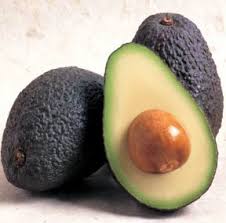
Fairly frequently articles come up outlining how important it is to buy certain foods organic while other foods are less dangerous in their "traditional" form. Find a list you trust, memorize a few key foods that you often buy, and get shopping!
Here's the information from one such article:
Should Buy Organic
-Milk
-Meats
FRUITS:
-Peaches
-Apples
-Nectarines
-Strawberries
-Cherries
-Grapes
-Pears
-Raspberries
-Plums
-Oranges
-Tangerine
-Cantaloupe
-Lemon
-Honeydew
-Grapefruit
-Watermelon
-Blueberries
VEGETABLES:
-Sweet Bell Peppers
-Celery
-Lettuce
-Spinach
-Potatoes
-Carrots
-Green Beans
-Hot Peppers
-Cucumbers
-Cauliflower
-Mushrooms
-Winter Squash
-Tomatoes
-Sweet Potatoes
Don't Have to Buy Organic
-Avocado
-Banana
-Pineapple
-Kiwi
-Mango
-Papaya
-Asparagus
-Broccoli
-Cabbage
-Onions
Image from http://tbn2.google.com/images?q=tbn:RIA2pRwDp4HIpM:http://whatscookingamerica.net/Fruit/AvocadoPhoto.jpg
28 November 2008
Mind the Gap
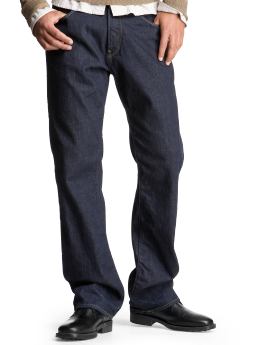
Great news! Organic clothing is getting easier for the masses to get their hands on. Gap now offers organic denim jeans for both men and women; a few women's organic cotton tops; and men's organic cotton long johns. Even more importantly, the Baby Gap has a whole load of organic pieces. Banana Republic seems to be following suit, too.
If you would like to move to a healthier, more natural wardrobe but aren't comfortable ordering online, you're in luck! My guess is that Old Navy (the most affordable of the stores in the Gap family) will join the trend soon. Happy shopping!
18 November 2008
Cans and BPA
Ok, so I am thoroughly freaked out. I basically live off of soup for lunch...everyday. But that's going to change after this week. Turns out that food cans are almost ALL lined with BPA-laden plastic. I should have known, but I've been in denial. Surely, the organic brands I live on wouldn't use BPA in their cans. Nope...
Skim through this article to see whether or not your favorite canned food/soup company uses BPA-free cans. Campbell's, Swanson, Nestle, and Carnation cans do use BPA, of course. But so do Amy's, Muir Glen, Wolfgang Puck, Whole Foods/365, and Annie's.
So, what do you eat for lunch??
Skim through this article to see whether or not your favorite canned food/soup company uses BPA-free cans. Campbell's, Swanson, Nestle, and Carnation cans do use BPA, of course. But so do Amy's, Muir Glen, Wolfgang Puck, Whole Foods/365, and Annie's.
So, what do you eat for lunch??
11 September 2008
Volunteering on Organic Farms

Treehugger has a fascinating idea about how to spend some of your vacation days. The article "Volunteer on an Organic Farm" features the WWOOF organization, World Wide Opportunities on Organic Farms.
The article reads, "You can't give up your day job to start that organic farm that you have been dreaming about and you don't have any land for an organic vegetable garden--but you really want to give it all a try. What to do? The answer is easy: volunteer for a week or two on someone else's. Through WWOOF-World Wide Opportunities on Organic Farms--you can live the life, work the work and learn all about the organic movement. Plus you meet fascinating, like-minded people. WWOOF is a world-wide organisation [sic], with branches all over Europe, North and South America and Africa. Volunteers are not paid, but are given meals and accommodation and valuable training in new skills.
"Browsing through the listings is fascinating--there are so many people out there living on farms and in the countryside working to grow their own food, sell it, develop markets and make their way. Volunteers can go to Japan, New Zealand, Hawaii, Austria. They can work on one acre or 200 acre farms, Georgian houses, or small cottages, a stud farm in Spain, harvesting wild herbs in the south of France. Volunteering and living with a family is a wonderful way to learn about new cultures without being an intrusive tourist and at the same time you are giving back something to that country. It's really a form of eco-tourism at its best."
What a unique way to spend a vacation. Think about how much you'd learn. Working at a WWOOF farm in the USA could teach us about farming and the importance of the organic food movement. Nearly all of us are completely removed from the sources of the food we eat, so working on a farm could help us to respect the work that goes into our food a bit more. It would be an excellent way to network with other passionate, committed people, which may be just the inspiration many of us need to re-energize.
Working at a WWOOF farm internationally, of course, has all these benefits and more. Depending upon which country you travel to, you may also be able to learn or practice a new language, discover a new culture, and gain a new perspective on work and/or your relationship with your sustenance.
25 July 2008
Meat Labeling

Tonight we were in Publix and noticed that they now offer fresh cuts of "Green Wise" meats of chicken, pork, and beef. [Of course, this may well have been the case for a long, long time now, but I must admit, as a quasi-vegetarian, I never even glance at the fresh raw meat section of a grocery store.] My husband, poor guy, his eyes lit up; he could just about taste the meat being prepared in our house, I'm sure. But not so fast.
Publix's website says, "Our Meat department offers a wide array of fresh all-natural meats and poultry with no additives or preservatives. That includes many varieties of Publix GreenWise Market brand beef, pork, and chicken, which are raised humanely with no antibiotics or added hormones—ever—on a 100% vegetarian diet." What it doesn't say is "organic" or "biodynamic."
Why is this important? Because many companies attach meaningless, uncertified claims to their products. Mostly, doubt everything you read on a package unless you see a certification you recognize and trust.
What are some of the term, seals, and certifications you should look for when buying meats? Below are a few suggestions, quoted nearly verbatum from Renee Loux's Easy Green Living:
-Certified Humane Raised and Handled: means the animals were treated humanely in a safe, healthy living environment; verified and enforced by third party inspectors
-Antibiotic Free (ABF) Process Verified: animals were not given antibiotics as a preventive measure, only for real illnesses; USDA certified, through annual on-site inspection and evaluation
-Free Range: animal had outdoor access at least once a day; USDA certified; poultry is the only animal product that can be labeled Free Range -- this label has no meaning on eggs or meat
-No Hormones Administered (beef): USDA certified
-Organic: as clean and good as it gets; certified by the USDA to be grown or raised without chemical pesticides, synthetic fertilizers, hormones, or genetically modified organisms
-Demeter Certified Biodynamic: beyond organic; no synthetic fertilizers, pesticides, herbicides, fungicides, growth regulators, or genetically engineered substances may be used, ever; no chlorinated or fluoridated water can be used for irrigation
21 July 2008
Greening your Cleaning
Previously, we wrote about greening your dish soaps. In today's post, we'll be discussing greening your cleaning supplies. However, the same greening philosophy should be used. You can take it slowly, easing into green cleaning products as your old ones need replacing.
There are seven main points about green cleaning you should memorize. You want to look for is a product with the following attributes:
1. Bio-degradable
2. Phosphate-free
3. Plant based
4. Chlorine free
5. Ammonia free
6. Solvent free
7. No synthetic fragrances or dyes
It's wonderful if you can find a product that is also made with organic ingredients and is animal cruelty free.
There are some good products that are affordable and easily available. Seventh Generation, one of my favorite lines, (found at Publix, Paradise Health and Nutrition) offers a full line of cleaning products.
Method brand (found at Target, Paradise Health and Nutrition) also makes just about anything you could need to clean your home. Some of their products contain dyes and perfumes, so choose "Go Naked" varieties if you can.
Clorox now makes a line called "Green Works" that you can find at your local grocery store or even Walmart. Call it "greenwashing" all you want; this product is at least biodegradable and plant-based. Besides, its availability everywhere and its association with the Clorox brand means that consumers will try these products who might otherwise not.
Other good brands for general cleaners to look into: Biokleen, Caldrea, Citra-Solv, Earth Friendly Products, Ecolever, Mrs. Meyer's Clean Day, Planet, and Bon Ami.
Of course, with basic household ingredients, you can make your own cleaners. The following is an article written by the venerable No Impact Man. It gives you specific instructions on how to make your own.
Make Your Own Househould Cleaners and Avoid Health Risks
There are seven main points about green cleaning you should memorize. You want to look for is a product with the following attributes:
1. Bio-degradable
2. Phosphate-free
3. Plant based
4. Chlorine free
5. Ammonia free
6. Solvent free
7. No synthetic fragrances or dyes
It's wonderful if you can find a product that is also made with organic ingredients and is animal cruelty free.
There are some good products that are affordable and easily available. Seventh Generation, one of my favorite lines, (found at Publix, Paradise Health and Nutrition) offers a full line of cleaning products.
Method brand (found at Target, Paradise Health and Nutrition) also makes just about anything you could need to clean your home. Some of their products contain dyes and perfumes, so choose "Go Naked" varieties if you can.
Clorox now makes a line called "Green Works" that you can find at your local grocery store or even Walmart. Call it "greenwashing" all you want; this product is at least biodegradable and plant-based. Besides, its availability everywhere and its association with the Clorox brand means that consumers will try these products who might otherwise not.
Other good brands for general cleaners to look into: Biokleen, Caldrea, Citra-Solv, Earth Friendly Products, Ecolever, Mrs. Meyer's Clean Day, Planet, and Bon Ami.
Of course, with basic household ingredients, you can make your own cleaners. The following is an article written by the venerable No Impact Man. It gives you specific instructions on how to make your own.
Make Your Own Househould Cleaners and Avoid Health Risks
Here's a no-brainer: One way to stay healthy is to stay away from poison.
For years environmentalists worried about the effect on aquatic wildlife and our drinking water of the toxins that go down our drains in the form of household products. The funny thing is, no one spoke much about the fact that if it was poison to the fish who swam in the tainted water, it was probably poison to the people who used them, too--another no-brainer.
Well, there was a story in the New York Times on Thursday about how Women's Voices for the Earth is both publicizing the health concerns of using conventional cleaners and promoting a way around using them. Women's Voices is organizing house parties all over the country to teach people how to homemake cleaners from products like Borax, baking soda, Dr. Brommer's and vinegar.
You can read about how certain chemicals in common cleaning products have been associated with increased prevalence of asthma, exacerbations of asthma symptoms, and respiratory ailments here. You can also read about how chemicals used in common cleaning products have been associated with reproductive harm such as alterations in sexual behavior, decreases in fertility, menstrual changes, changes in the onset of puberty, cancers of reproductive organs, miscarriage, premature birth and other effects here.
There are, of course, "green" brands on the market but Women's Voices' rationale is: Why pay $5 for a bottle of cleaner from a "green" brand that won't tell you the ingredients when you can make your own for pennies and now exactly what's in it (if you're a business person trying to be eco, you now see why transparency is important).
As you may know, we began making our own household products during the No Impact project, both to avoid the toxicity to both people and the environment but also to avoid buying the same throwaway plastic bottles over and over again. You can find my recipes here and here, but I thought it would be fun to list Women's Voices' recipes.
But first, if you want to join in their countrywide house-party promotion of homemade household products, go here. I've cut and pasted their recipes from here.
All-Purpose Cleaner
suggested uses: hard surfaces like countertops and kitchen floors, windows and mirrors
2 cups white distilled vinegar
2 cups water
20-30 or more drops of essential oil (optional)
Tip: Warming in microwave until barely hot will boost cleaning power for tough jobs. Only microwave in a glass container.
Creamy Soft Scrub
suggested uses: Use this creamy soft scrub on kitchen counters, stoves, bathroom sinks, etc.
2 cups baking soda
½ cup liquid castile soap*
4 teaspoons vegetable glycerin (acts as a preservative)
5 drops antibacterial essential oil such as lavender, tea tree, rosemary or any scent you prefer (optional)
Mix together and store in a sealed glass jar, shelf life of 2 years.
Tips: For exceptionally tough jobs spray with vinegar first—full strength or diluted, scented—let sit and follow with scrub.
Dry soft scrubs can be made with baking soda or salt (or combination of both) with 10-15 drops essential oil to scent
Furniture Polish
1/4 cup olive oil
1/4 cup white distilled vinegar
20-30 drops lemon essential oil
Shake well before using
(2 teaspoons lemon juice may be substituted for lemon oil but then must be stored in refrigerator)
Dip a clean, dry cloth into the polish and rub wood in the direction of the grain. Use a soft brush to work the polish into corners or tight places.
Tips: To remove water spots rub well with toothpaste. To remove scratches use 1 part lemon juice and 1 part oil, rub with soft cloth.
Toilet Bowl Cleaner
Option 1
Sprinkle toilet bowl with baking soda, drizzle with vinegar, let soak for at least 30 minutes and scrub with toilet brush.
Option 2
Put ¼ cup borax in toilet bowl and let sit for at least 30 minutes. Swish with a toilet brush and then scrub. A few drops of pine oil can be added for increased disinfecting. (Note: some people are allergic to pine oil.)
Tip: Let ingredients soak for a while to make for easy scrubbing, especially on persistent stains like toilet bowl rings
Drain Opener
½ cup baking soda
½ cup vinegar
Pour baking soda down the drain and follow with vinegar. Cover and let sit for at least 30 minutes. Flush with boiling water.
Tip: Prevent your shower form clogging by using a drain trap to catch hairs.
Laundry Detergent
1 cup soap flakes
1/2 cup washing soda
1/2 cup Borax
Soap flakes can be made by grating your favorite pure vegetable soap with a cheese grater. Mix ingredients together and store in a glass container. Use 1 tablespoon per load (2 for heavily soiled laundry), wash in warm or cold water.
This standard recipe can be adjusted for soft water by using 1 cup soap flakes, 1/4 cup washing soda and 1/2 cup borax. For hard water, use 1 cup soap flakes, 1 cup washing soda, and 1 cup borax.
Note: Borax should not be ingested.
Tips: Add 1/2 cup white distilled vinegar to rinse as a fabric softener. For a whitener, use hydrogen peroxide rather than bleach. Soak your dingy white clothes for 30 minutes in the washer with 1/2 cup 20% peroxide. Launder as usual.
For more great recipes, visit care2.com
Some great recipes (pdf) from the Association of Vermont Recyclers
Subscribe to:
Posts (Atom)

 Posts
Posts


